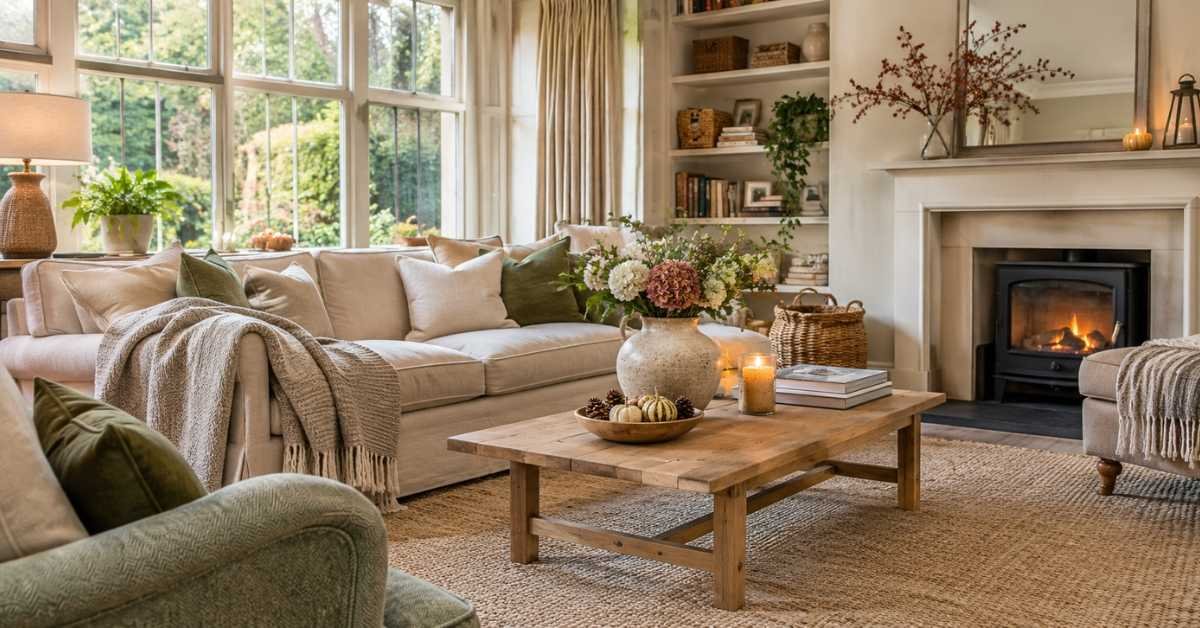

Seasonal home decor doesn’t have to mean buying new furniture or spending hundreds of dollars every few months. Small changes to your colors, fabrics, lighting and accessories can give familiar rooms a fresh look throughout the year. Here are eight practical ideas to help you decorate for spring, summer, fall and winter without overspending.
How to Decorate for All Four Seasons
Each season offers different opportunities to change the appearance of your home. The following guide provides a simple starting point when choosing decorations, fabrics and accessories.
| Season | Colors | Fabrics | Signature decoration |
| Spring | Sage, blush, pale yellow | Cotton, linen | Fresh flowers |
| Summer | Sky blue, white, sand | Lightweight cotton | Woven accessories |
| Fall | Terracotta, rust, olive | Knitted fabrics, wool blends | Dried foliage |
| Winter | Forest green, ivory, burgundy | Wool, velvet | Evergreen arrangements |
The key is to make seasonal changes gradually. You might introduce fresh flowers in spring, replace heavier fabrics when summer arrives, add textured accessories in fall and create a more comfortable atmosphere during winter.
My take: Seasonal decorating works best when you keep your main furniture and permanent finishes relatively timeless. This gives you more freedom to experiment without turning every seasonal change into an expensive project.
8 Seasonal Home Decor Ideas Worth Trying
1. Add Seasonal Colors Through Accessories
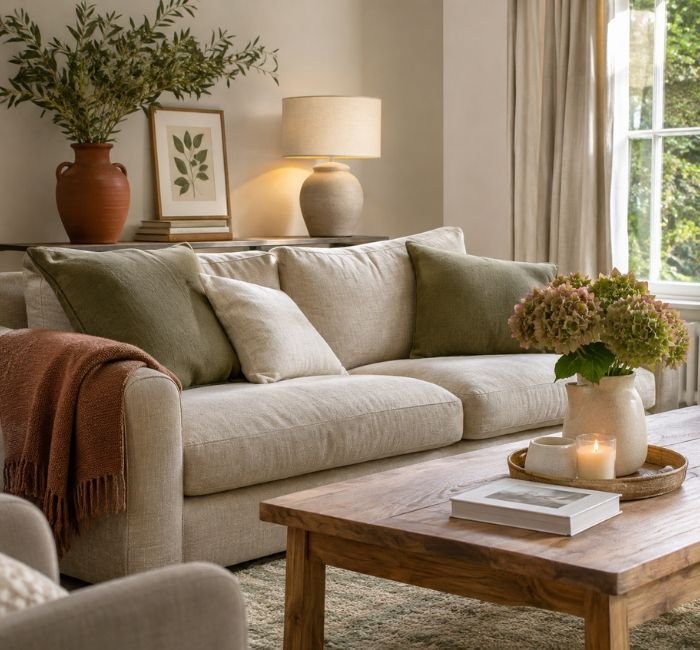
Changing accent colors is one of the easiest ways to refresh a room. Instead of repainting walls or replacing furniture, introduce seasonal shades through smaller decorative pieces.
This approach works particularly well in living rooms and bedrooms with neutral furniture. A beige sofa, for example, can accommodate different decorative styles throughout the year.
Best for: Living rooms, bedrooms and dining areas.
How to style it: Start with your existing wall color, flooring and larger furniture. Choose one main accent color and one supporting shade. Introduce them through artwork, decorative vases, small ornaments or table accessories.
If your living room already contains several strong colors, choose accessories that complement the existing scheme rather than introducing another unrelated shade.
What to watch out for: Strong accent colors can look disconnected when they are used without considering the rest of the room. Avoid purchasing decorative objects simply because their colors are associated with a particular season.
Practical tip: Before shopping, take a photograph of your room. Use it to compare potential accessories against your existing furniture and finishes.
2. Change Your Cushions and Throws
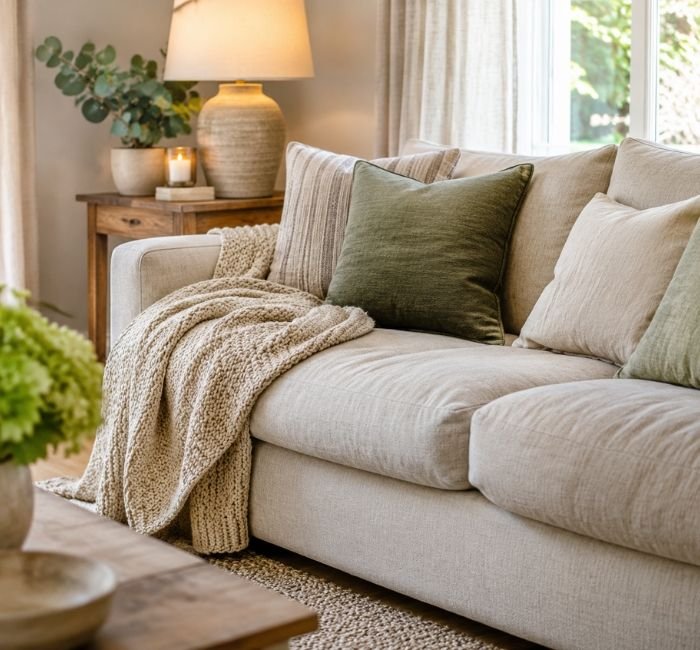
Soft furnishings can make a noticeable difference without requiring major purchases. Cushion covers, blankets and throws also allow you to change the appearance of a room without altering its permanent features.
During warmer months, choose lightweight cotton or linen. When temperatures drop, introduce knitted throws, velvet cushions or heavier blankets.
Best for: Living rooms, bedrooms and family spaces.
How to style it: On a three-seat sofa, combine larger cushions at the ends with one or two smaller cushions in the middle. Add a throw over one arm or the backrest rather than covering the entire sofa.
In bedrooms, place a seasonal throw at the foot of the bed. It adds texture and provides an additional layer when needed.
Consider the size and shape of your existing cushions before purchasing replacement covers. Standard sizes are generally easier to find and store.
What to watch out for: Delicate fabrics may require specialist cleaning, while heavily textured materials can collect dust and pet hair. Check washing instructions before buying.
Practical tip: Purchase interchangeable cushion covers instead of complete cushions. They take up less storage space and can be reused in different seasons.
3. Refresh Your Entryway
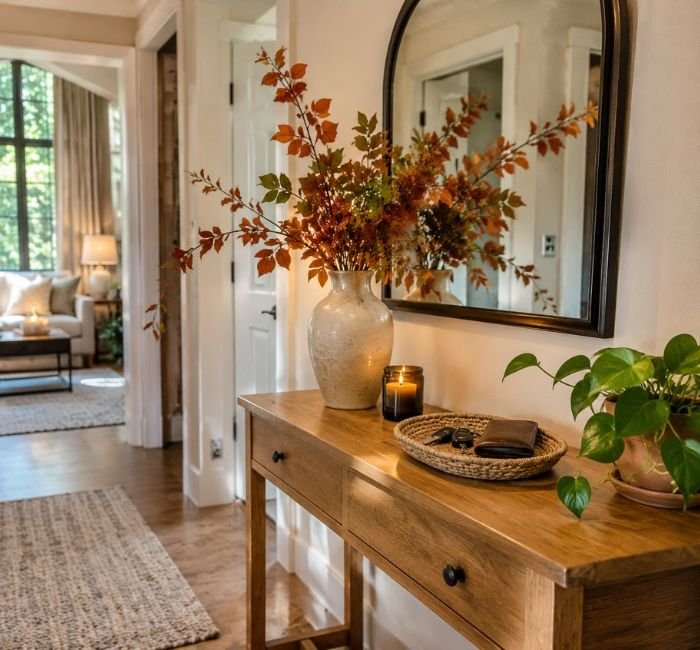
Your entryway is one of the first areas people see when entering your home. A simple seasonal arrangement can make it feel more welcoming without requiring much space.
A console table, mirror, vase and small decorative tray are enough to create an attractive display. If your entrance is narrow, use wall-mounted accessories instead of large furniture pieces.
Best for: Hallways, apartment entrances and homes with a dedicated foyer.
How to style it: Place fresh flowers in a ceramic vase during spring, introduce greenery in summer, and use dried branches or an evergreen arrangement during cooler months.
You can also change the artwork above the console table to reflect the season. Botanical prints and landscape photographs are particularly useful because they can be replaced without changing the rest of the arrangement.
What to watch out for: Large floor decorations can obstruct movement in narrow entrances. Avoid unstable vases and fragile accessories where people regularly place bags or shoes.
Practical tip: Keep a small tray for keys, wallets and everyday essentials. This makes the display useful rather than purely decorative.
4. Create a Seasonal Dining Table Centerpiece
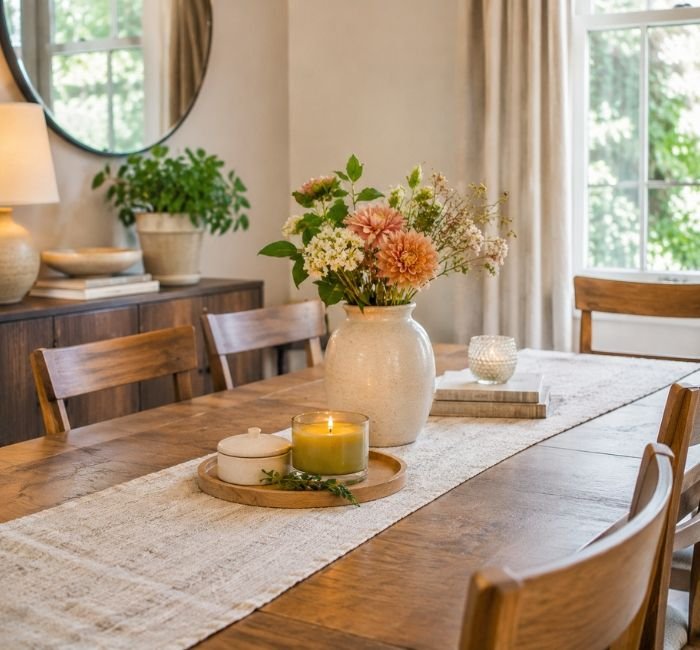
A dining table centerpiece can change the appearance of your dining area without requiring new furniture or expensive accessories.
Flowers, fruit, candles, ceramic containers and natural branches are all suitable options. The arrangement should complement the size and shape of the table.
Best for: Dining rooms, kitchen tables and breakfast areas.
How to style it:
- Spring: Use fresh flowers in a glass or ceramic vase.
- Summer: Display lemons, oranges or other seasonal fruit in a shallow bowl.
- Fall: Arrange dried branches, small pumpkins and ceramic accessories.
- Winter: Combine evergreen branches with suitable decorative lighting.
For a rectangular dining table, a long tray can provide a practical base for several smaller decorations. Round tables generally work better with one central arrangement.
What to watch out for: Tall arrangements can interrupt conversation, while strongly scented flowers or candles may be distracting during meals.
Practical tip: Keep the centerpiece low enough for comfortable conversation. Make sure it can be moved easily when you need space for serving dishes.
5. Decorate with Indoor Plants
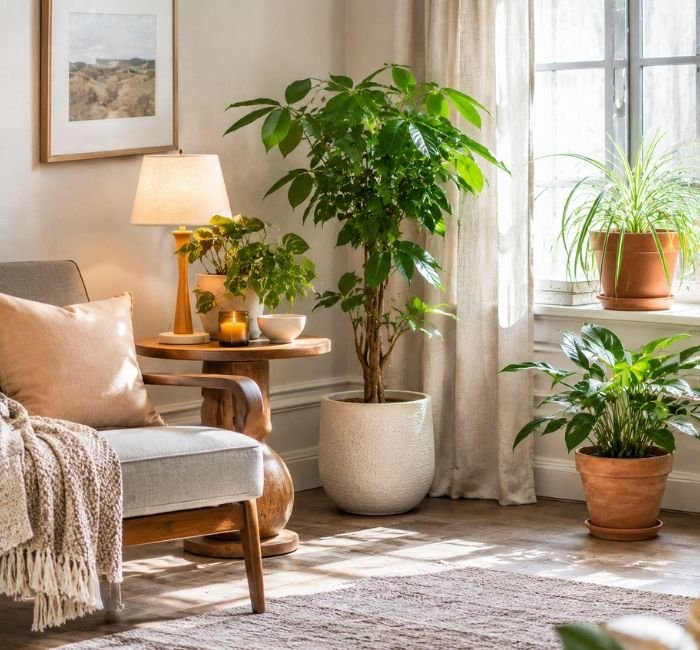
Indoor plants add natural color and texture throughout the year. Unlike temporary seasonal decorations, many houseplants can remain part of your interior regardless of the weather outside.
They work particularly well in living rooms, bright corners, home offices and areas near suitable windows.
Best for: Homes with suitable natural light, plant lovers and people looking to add natural details to their interiors.
How to style it: Combine plants of different heights in ceramic, terracotta or woven containers. A taller floor plant can fill an empty corner, while smaller plants can decorate shelves and side tables.
Consider the appearance of the containers as well as the plants themselves. Matching finishes can help different varieties look connected when displayed together.
Plant care matters: The Smithsonian Gardens Houseplant Care Guide explains how to match plants to low, medium or high-light locations. It also highlights overwatering as a common problem and recommends adequate drainage to prevent roots from sitting in water.
If you have pets, check the exact plant species against the ASPCA’s Toxic and Non-Toxic Plants Database. Its list is not exhaustive, and even plants classified as non-toxic can cause stomach upset if eaten.
What to watch out for: Some plants are unsuitable for households with pets or young children. Heavy planters should also be placed on stable surfaces, away from areas where they might be knocked over.
Practical tip: Check a plant’s light, watering and safety requirements before purchasing it. Choose the plant for the conditions available in your home.
6. Use Lighting to Create Seasonal Atmosphere
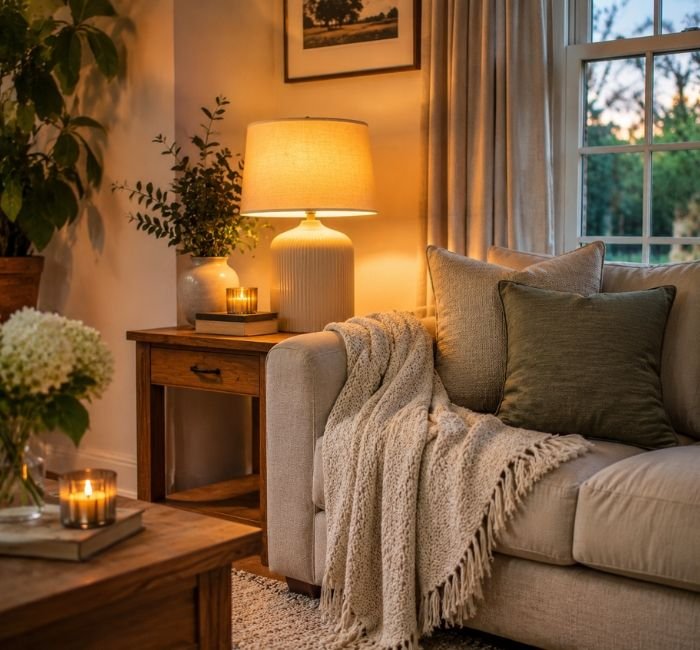
Lighting can change how a room feels, particularly during darker winter evenings. Table lamps, floor lamps and suitable decorative lights can create a more comfortable atmosphere without changing the furniture.
During winter, warm-toned lighting works well in living rooms and bedrooms. During summer, make better use of natural daylight and introduce subtle accent lighting for evenings.
Best for: Living rooms, bedrooms, dining areas and suitable outdoor spaces.
How to style it: Position a table lamp beside a sofa or on a bedside table. Use suitable decorative LED lights on shelves or around a seasonal display. Avoid placing several bright light sources too close together.
Battery-operated candles can also provide a decorative alternative to open flames.
Safety considerations: The U.S. Consumer Product Safety Commission’s Holiday Safety Guide specifically advises consumers to keep burning candles in sight, away from flammable materials, and extinguish them before leaving the room. It also advises against overloaded electrical outlets and connecting more than three sets of incandescent decorative lights.
These are US-based recommendations. International readers should also follow their local electrical standards and the manufacturer’s instructions.
In homes with children or pets, keep electrical cables out of reach, secure lamps and avoid placing open flames near accessible surfaces. If using battery-operated candles, choose models with secured battery compartments.
Practical tip: Check that decorative lights are suitable for indoor or outdoor use before installing them. Never leave burning candles unattended.
7. Update Shelves and Wall Decorations
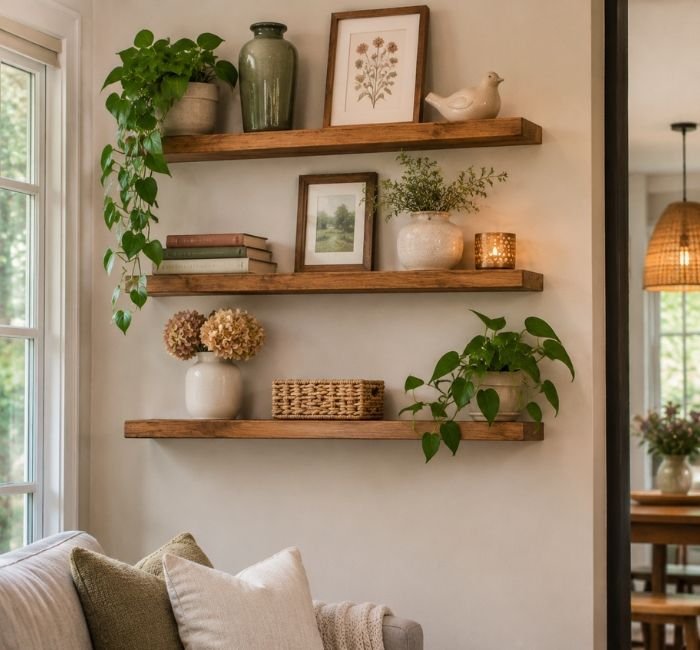
Shelves, bookcases and wall displays offer simple opportunities for seasonal changes. You can refresh these areas without purchasing an entirely new collection of ornaments.
Framed artwork, ceramic vases, books and small decorative objects are useful starting points.
Best for: Living rooms, bedrooms, home offices and dining areas.
How to style it: Replace a framed print with artwork that reflects the season. Add a small vase or natural accessory, and rearrange existing objects to create a different display.
Consider the height of the objects you are arranging. A taller vase beside a smaller framed photograph creates more visual variation than several objects of identical height.
You can also use removable picture hooks when decorating rental properties, provided they are suitable for the wall surface and the weight of the artwork.
What to watch out for: Overloading shelves makes displays difficult to clean and can create unnecessary clutter. Heavy objects should be placed securely, particularly in homes with young children.
Practical tip: Leave some empty space between decorative groups. This makes individual pieces easier to notice and keeps the arrangement balanced.
8. Refresh Your Balcony or Porch
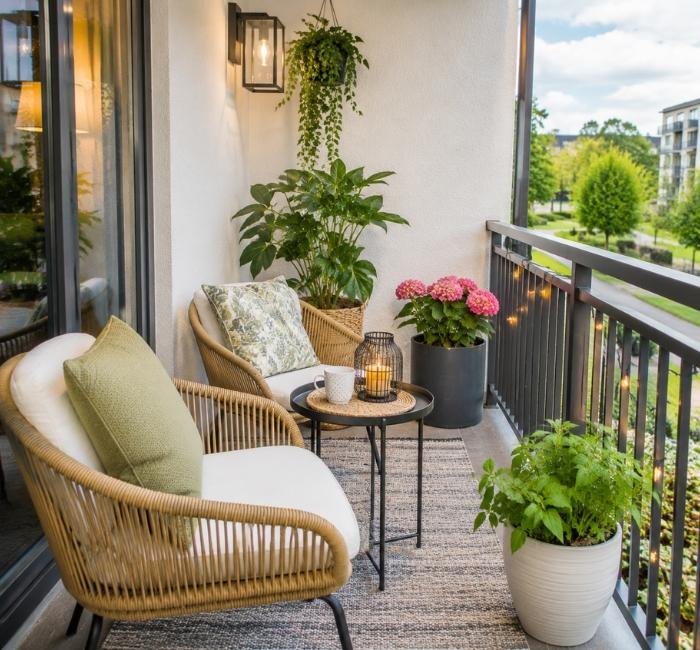
Outdoor areas deserve seasonal attention too. A few planters, comfortable cushions and suitable decorative accessories can make a balcony or porch more inviting.
This is particularly useful for apartment residents who want to make better use of a small outdoor area.
Best for: Apartments with balconies, houses with porches and homes with outdoor seating.
How to style it: Start with two or three planters of different heights. Add suitable outdoor seating accessories and a small side table if space allows.
In summer, lightweight materials and natural textures can create a relaxed appearance. During fall, introduce seasonal plants and additional decorative details.
If your balcony receives direct sunlight, choose plants and materials that can tolerate those conditions. Wind exposure is another consideration, particularly when using lightweight decorations.
What to watch out for: Indoor fabrics may fade or deteriorate outdoors. Unsecured pots and decorative objects can also become hazardous in strong winds.
Practical tip: Choose weather-resistant accessories and bring delicate items indoors when necessary. Check building or rental rules before installing permanent fixtures.
Seasonal Home Decor: Current Price Comparison
The following prices are from IKEA’s US Fall Decor Shop, checked on November 7, 2026. They are advertised starting prices in USD, before tax and delivery, and may change according to product availability.
| Decoration | Current advertised starting price | Best use |
| Fall wreaths | $12.99 | Entryways and doors |
| Candles | $3.99 | Tables and shelves |
| Throw blankets | $7.99 | Living rooms |
| Mood lighting | $19.99 | Living rooms and bedrooms |
| Bedding | $34.99 | Bedroom refresh |
| Storage and organizers | $7.00 | Seasonal storage |
| Home decor accessories | $9.99 | General room styling |
Source: IKEA US Fall Decor Shop.
These are retailer-listed starting prices, not estimates of the total cost of decorating a room. Individual products may cost more depending on their size, material and design.
How to Budget for a Seasonal Refresh
Your budget depends on the room, the decorations you already own and the number of new items you need.
A small refresh might involve one new decorative object and a few inexpensive seasonal additions. A larger project could include new textiles, lighting and an updated dining arrangement.
Before spending money, divide your purchases into three categories:
- Essential updates: Items that make the biggest visible difference.
- Decorative additions: Smaller accessories that complete the arrangement.
- Long-term purchases: Versatile items that can remain useful across multiple seasons.
My take: Spending more on a useful lamp or well-made ceramic vase often makes more sense than buying several inexpensive decorations that only suit one particular season.
A Five-Item Starter Kit for Year-Round Decorating
If you’re starting from scratch, you don’t need a cupboard full of seasonal accessories. Five versatile items can provide a foundation for decorating throughout the year.
- Neutral throw: Choose a fabric and color that complement your sofa or bed.
- Ceramic vase: Use it for flowers, branches or greenery.
- Decorative tray: Place it on a coffee table or console and change the objects displayed on it.
- Removable picture hooks: Use suitable hooks to change wall displays without permanent alterations.
- LED decorative lights: Use them as a subtle accent in an appropriate location.
You can supplement these pieces with inexpensive seasonal details such as flowers, fruit and natural foliage.
The advantage of this starter kit is that it provides flexibility without requiring extensive storage space.
Seasonal Decorating Ideas for Different Rooms
Different rooms require different approaches. A decoration that works well in a living room may not be practical in a kitchen or bedroom.
Living Room
Focus on textiles, coffee table accessories, artwork and lighting. These items are easy to change and can noticeably affect the overall appearance.
If your living room is small, avoid large floor decorations that reduce walking space. Keep the main seating area comfortable and accessible.
Bedroom
Change bedding, bedside accessories and lighting. Use breathable fabrics in warmer weather and additional layers during cooler months.
Avoid filling the bed with unnecessary decorative pillows. The sleeping area should remain comfortable and easy to maintain.
Kitchen and Dining Area
Small changes are often enough. Introduce seasonal fruit bowls, table runners, ceramic containers and simple flower arrangements.
Choose accessories that can be cleaned easily and do not interfere with food preparation.
Entryway
Use a console table, wall mirror, seasonal wreath or small vase. These areas benefit from compact decorations that do not obstruct the entrance.
How to Change Your Decorations Between Seasons
Changing seasonal decor becomes easier when you have a simple routine. Instead of buying new accessories immediately, review what you already own before making additional purchases.
Use this practical process:
- Remove decorations that no longer suit the season. Clear the main surfaces before introducing anything new.
- Clean reusable items. Dust vases, wash suitable textiles and check decorative lighting.
- Inspect stored decorations. Check for broken parts, fading, damaged wires or signs of moisture.
- Choose the next seasonal details. Select only the items needed to update the room.
- Store everything properly. Use labeled containers and wrap fragile accessories separately.
For delicate wreaths and artificial foliage, a suitably sized storage box can help protect their shape. Keep fabric items clean and dry before putting them away.
This approach also helps you identify decorations you no longer use, preventing unnecessary storage clutter.
Common Seasonal Decorating Mistakes
1. Using Too Many Colors
Too many competing shades can make a room look disconnected. Choose a small number of colors that complement your existing furniture and permanent finishes.
2. Buying Decorations Without Measuring
An oversized centerpiece or wreath can look out of place. Check dimensions before purchasing and consider how much usable space will remain.
3. Ignoring Maintenance
Fresh flowers, delicate fabrics and outdoor decorations require different levels of care. Choose materials that suit the time you can spend maintaining them.
4. Following Every Decorating Trend
Not every trend will suit your home. Focus on accessories that complement your existing interior instead of replacing items unnecessarily.
5. Forgetting About Seasonal Storage
Decorations that are difficult to store can quickly become clutter. Clean and dry items before packing them away, wrap fragile accessories separately and label storage containers clearly.
Frequently Asked Questions
1. How often should I change my seasonal home decor?
Four times a year is a convenient approach, but there is no fixed schedule. Make changes whenever you want to reflect the weather, holidays or your personal preferences.
2. How can I decorate seasonally on a small budget?
Start with inexpensive accessories, natural decorations and items you already own. Rearranging existing objects and changing a small display can give a room a fresh appearance without major spending.
3. What decorations work throughout the year?
Ceramic vases, decorative trays, framed artwork, suitable lighting and neutral textiles are versatile options. You can change the smaller details around them to reflect different seasons.
4. How can I decorate a small apartment?
Use compact table decorations, removable wall accessories and vertical displays. Make use of shelves and wall space while keeping walkways clear.
5. How should I store seasonal decorations?
Clean and dry decorations before storing them. Use labeled containers, protect fragile items and keep everything in a dry storage area away from excessive moisture.
6. How can I make seasonal decorations safer for children and pets?
Check plant safety before bringing new greenery indoors, secure heavy planters and keep small ornaments, candles and electrical cables out of reach. Use flameless candles where appropriate and follow product safety instructions.
Conclusion
Seasonal home decor doesn’t need to be expensive or complicated. A few carefully selected changes to your fabrics, plants, lighting and decorative accessories can keep your home looking fresh throughout the year.
My biggest takeaway is that good seasonal decorating is about making thoughtful changes, not constantly buying new things. Start with one room, work with your existing furniture and choose accessories that can be reused whenever possible.
Pick one room this weekend, choose three seasonal updates and give your home a fresh look without a complete redesign.